subway scenes

it’s rush hour on line 10. i am leaning against the back door. a woman backs up in my direction to make room for the crush of people shuffling in, setting down bags, hands grasping for handlebars. the doors close.

her hair, highlighted and tied up into a ponytail, brushes up close to my face. it smells like shampoo. over her thin purple sweater, i can see her phone screen. she is going through english vocabulary flashcards. she has been staring at “spectacular” for a long time, thumb hovering over the green check mark.

two men sitting in the seats across from us are dozing off. one has a head of grey hair, the other a single strand. their bodies bow towards and away from each other, like swaying trees.

the woman is now looking at a list of words she keeps getting wrong.

govern.
malleability.
stout.
kerosene.
confess.
compress.

she starts a new test.

the older man leans a bit too far towards the other and jerks away, still asleep. the younger readjusts his body, eyes still closed. his head falls to his left. if they opened their eyes now, they’d be looking at each other.


we went running

076696C0-8B0F-4C8F-A195-4A64E4F020FE.jpg

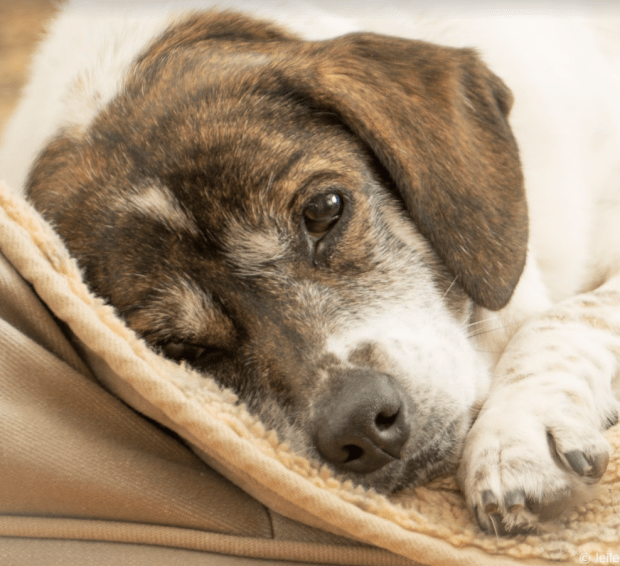
when i imagined you, as a child,
you were the answer to my loneliness, the sibling i always wished for
in my head, you liked to chew on bones
so i would save the cooked bones from dinner for you, years before you stepped foot in our house
saving them for when my parents told me they’d let me have a dog:
when you’re 10, they said.

they would let me collect the bones
but a few hours later would secretly throw them away
which is just as well, because as it turns out, you didn’t like bones,
you liked meat, cooked chicken, specifically,
after you, there was always a large pot on the stove boiling quietly into the night

but more than anything, you loved to run.
you would run loops, double-eights, or zig zags,
body flat against the ground, back legs pumping,
until you were nothing but a white spotted blur on green grass,

our early walks were mostly comprised of sporadic sprinting
after birds,
then when you matured, squirrels,
you never did outgrow squirrels
although in your later years you would sometimes freeze, brow furrowed,
staring as a squirrel climbed a tree
then dutifully run over and sniff at the trunk,
but no longer with the hope and passion of before

towards your later years
we took you running,
you would trot obediently behind us,
sometimes even breaking into a loping run
although clearly it no longer brought you that same particular kind of joy

you were always so cooperative
that is, unless we passed a bush or sewer you found particularly stimulating
for your hunting dog olfactory sensitivities
in which case you would suddenly reveal yourself to be incredibly stubborn,
grunting, claws scratching at the sidewalk until we gave in
and you would pull and pull towards some smell we would never understand
sometimes leaving a cone shaped hole in a bush, the shape of your pointy face
everything softened with age, except for this stubbornness

i left home for the first time last year,
i never thought you would age so fast,
but i guess that goes for everyone.

i heard you stopped liking walks
at the end, even food
but you would still follow my mother from room to room
even when it pained you to get up

i remember when you laid in my room
i would sprint to the bathroom and pee as quickly as possible
but upon unlocking the door,
would still find you standing there,
unsure of where our next destination was

the last time you looked at me with recognition
it was with your brow furrowed
as i walked out the front door
lugging my suitcases
headed for this strange gray but sometimes beautiful place
the only place i’ve ever lived that you haven’t also been to

staring after me with that same look,
so familiar i had become numb to its honesty
doleful eyes following me as i huffed my way out the door
and closed it on you for the last time

anyhow, you obviously do not recognize me now through the phone screen
but my parents say they can’t wait any longer and i must say goodbye now
your eyes are dull and you are breathing heavily,
your small bottom teeth exposed
i tell you i love you, and my parents end the video call

and standing in this hutong street,
on this balmy beijing summer night
home has never felt so fragile, or so far away

Screen Shot 2017-07-28 at 1.08.55 PM.png
8.20.04 – 7.21.17

things change fast and slow

it’s only been a few months since i’ve been to my grandma’s apartment, but i can barely find my way there. trees have been chopped down, formerly beige (or was it white?) walls repainted a strange minty green, white dividers laid on the road. there’s now a bike lane on one side, but it is being blocked by an old lady in a wheelchair.

but i recognize the canal, formerly with plastic bags and paper cups frozen to its icy surface now with grandpas in speedos (or underwear, i can’t tell and i’m too embarrassed to look for long) lounging on the steps and splashing around.

and i know when to turn because there are still the same men at the same street corner playing chinese chess (象棋), but now with their shirts off.

and i find that the door to my grandma’s building has locks now, but a middle-aged lady, arms full of shopping bags, sees me pause at the steps, so she walks over, fumbles with her keys, and lets me in with a wordless smile.

and i walk up the same stairs i’ve walked up since i can remember, the stairs my 88 year old grandma climbs alone every day, with the sound activated lights, up to the dusty green metal door with the impossible to open lock, and the door creaks and groans and bangs a few times before my grandma pushes it open.

on the train to chongqing || 去重庆的火车上

it’s only 9:30pm, but they’ve already turned off the main lights of the train.

time to sleep, the young woman in our compartment tells her son. you have to take your shoes off before coming onto grandpa’s bed! otherwise it’ll get dirty.

as she tugs the shoes off his fidgeting feet, the elderly gentleman asks the boy with a smile in his voice: how old are you?

the boy is silent. tell grandpa! his mother says. how old are you?

he gets shy, or distracted—he hops off her lap and wanders over to fidget with the foldable footholds on either side of the compartment door.

don’t play with that! she says. that’s for when we climb down. you’ll get your fingers stuck.

the boy stops and obediently plops himself back across her lap.

she resumes tugging at his sneakers. so, tell grandpa! how old are you?

two, he says.

wow, only two and he already knows how to talk so well! the elderly woman, sitting on the other lower bunk says. he’s so smart!

the mother looks at her son. is grandma right? are you smart?

i’m smart, the boy says.

the shoes are off. she looks up, pondering how to maneuver him to the top bunk. i scoot over and pat the edge of my bunk.

come, sit on auntie’s bed first, i’ll lift you up from there, the mother says, putting her child on my bed without further ado. he begins kicking his feet over the edge of my bunk. i put a hand out on his small chest to restrain him.

she hoists herself up so she is standing on the middle bunks, then bends down. i lift the boy into her outstretched arms. here you go sister, i say, feeling weird and surprised as the word escapes my mouth.

she doesn’t react, though. she only says thank you, and lifts him up on the top bunk before clambering up herself.

they begin quibbling quietly over the reading light by the bed (he keeps turning it on, she keeps turning it off). eventually she pretends to go to sleep. he flips the light on and off a few more times, but eventually gets bored or sleepy, and stops.

the entire train has gone quiet. outside, the dark countryside speeds by. occasionally, we pass a few rumbling trucks, or a construction site that sends sharp white light into our compartment like a strobe.

i can see the light from my bunk shining dimly on the closed eyes of the grandma sleeping on the lower bunk across from me. i drag the curtains over a bit, so my reading light is dimmer.

but later, when the grandpa returns from going to the bathroom, he peeks over the edge of my bunk.  it’s ok, turn the light on brighter, he whispers. reading in this darkness, you’ll hurt your eyes.

才9:30可是车已经关灯了。

“该睡了,” 我们车厢的一个姑娘告诉她儿子。“脱鞋!不脱就上不了爷爷的床,因为脏。”

当她帮儿子脱鞋的时候,那位老先生笑着问那男孩:“你几岁了?”

孩子不吭声。“告诉爷爷啊!” 他妈妈说。“咋们几岁了?”

不知是害羞还是分心,那孩子跳下他妈的腿,跑到车厢门口两边折叠的立足点。

“别玩那些!” 妈妈说。“那是我们爬下来用的。现在你会加到手指头。”

那孩子乖乖地又爬到她腿上。

她继续拽她孩子的小鞋子。“告诉爷爷!几岁了?”

两岁了,他说。

“哇,才两岁就已经真么懂事了!” 那坐在另一边的老太太说。“真聪明哦!”

妈妈对儿子说:奶奶对吗?咋们聪明不聪明?

“聪明,” 孩子回答。

鞋子终于脱了。她把他抱起来以后就开始琢磨怎么把孩子弄到上铺去。

我拍了拍我的中层铺。

“来,先坐在阿姨这儿,然后我把你抬到上面,” 妈妈说。她立刻把孩子放在我床上。孩子好好儿地坐在我床边提着脚往着他妈。我伸出一只手好拦住他的小身体。

那妈妈在中层铺站好了以后,我就把她儿子递给她。“来,姐,” 我脱口而出。

可那妈妈好像没什么奇怪的反应。“谢谢,” 她说。

火车上越来越安静了。窗外的黑暗乡村飞快地过去。偶尔我们会经过几辆隆隆作响的卡车或一个建筑工地,突然送一个像闪光灯的白光到车厢里。

那妈妈和她儿子悄悄地吵架因为孩子老想开灯,妈妈总是关。最后,妈妈只好假装睡着。孩子又开关了几次,但很快感到无聊或困倦,并停止了。

我床上的光照到了我对面下铺那奶奶已闭上的眼睛,所以我把窗帘拉了一下好盖住我的灯,让它暗一点。

但后来,当爷爷从洗手间回来时,他的头出现在我枕头旁。”没关系,”他低声对我说。“把灯开亮一点吧。真么暗读书会伤眼睛的。”

eating with your hands || 用手吃饭

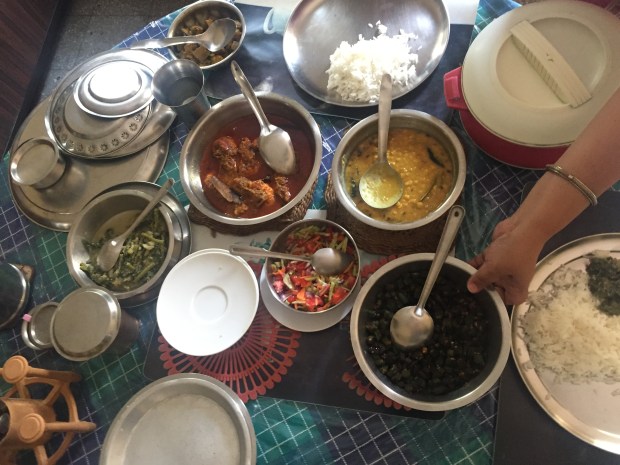
so i’m in kolkata, staying with a friend. her mom has been asking what i wanted to eat for a month now, and we have been feasting like (bengali) royalty every day.

fig 1: featuring okra with soy sauce, dal with cinnamon, & prawns in coconut curry||图1:用酱油,赤霞珠和肉桂,椰子咖喱虾
IMG_2190

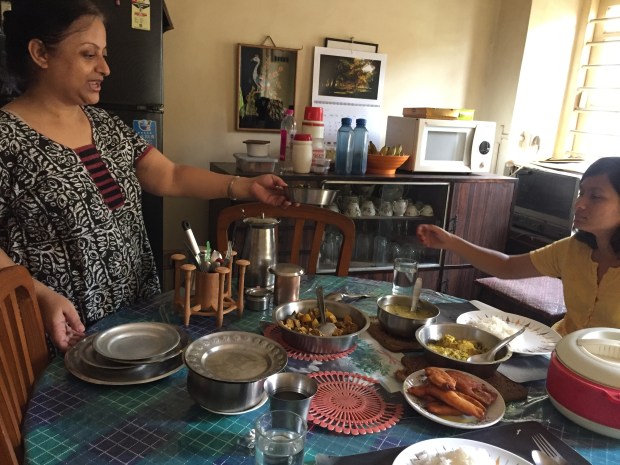
the first meal i ate here, her mother hovered around the table with a spoon and a fork.

“i’m horrible with table etiquette, i have no idea where to put these,” she tittered, before setting them gingerly down on a plate. “here in india, we eat with our hands.”

last time i was in india, i watched my (same) friend explain how to eat with your hands. there’s a lot of technique involved, like how you can only use your right hand, and how the food should never get past your second knuckle, etc etc. but i’d never gone and done it myself. at the time, we were always on the road, i never felt like my hands were clean enough, and i was worried enough about my stomach as it was.

i survived last time. and this time, in the comfort and cleanliness of a home, i had no excuse.

the first course was cold spinach, chopped and cooked so that it was almost paste like. i realize i’m not making it sound very good, but trust me, it was good. but it didn’t feel good when i awkwardly stuck my fingers into my plate. pushing down my squeamishness, i mashed a bit of it into some rice, and clumsily rounded it into a ball, trying not get any under my nails. i scooped the rice ball onto my hand, and pushed it into my mouth with the back of my thumb (this i did rather smoothly, i’m proud to say). I was promptly rewarded for my efforts: “you’re a natural!” my host applauded.

fig 2: my lovely hosts & that first meal||图2:我可爱的主人和第一餐
IMG_2092

then came three ridiculously good courses (which included but were not limited to: fried eggplant fritters, mustard fish, and sautéed jackfruit curry), during which i had no room for any coherent thoughts except for how to shovel the next bite into my already full mouth. after, we sat around the table talking, hands dangling above plates, shining with gravy.

this kind of thing has happened a few times now.

unlike the places I grew up, here you cannot live in ignorance of the waste we produce to get through our every day lives, with the trash littering the streets and the men in underwear pouring water over themselves in the sewer.*

and a lot of these things have more to do with degree of development rather than anything cultural.

but there are other aspects, that do feel kind of cultural. like getting your hands dirty when you eat. or getting your feet dirty when you walk outside. when we were kids, we were better at embracing this kind of feeling. there is something generous and liberating about not only tolerating but embracing these natural consequences of human existence.

i often felt myself tense upon rubbing shoulders with a sweaty bare-shouldered man cramming into our auto, or feeling some mystery liquid land on my sandaled foot in the street. in these moments, i tried to breathe through the knot in my stomach, and lean into the natural entropy of the world.

i also think my efforts made the people around me more likely to treat me as one of their own.

or maybe i’m reading too far between the lines.

all i know is, for every meal after that first one, i never got utensils next to my plate again.

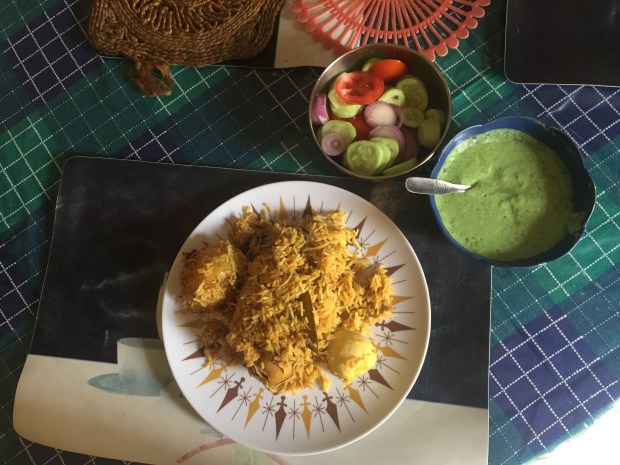
fig 3: chicken biriyani with raita & salad||图3:鸡biriyani与raita和沙拉
IMG_2275

*see previous post

我现在在加尔各答,和一个朋友住。她妈妈好几月前就开始问我想吃什么,所以我们在这儿每天都像孟加拉的皇室一样享受盛宴。

我们第一顿饭时,她妈妈拿着勺子和叉子徘徊在桌子周围。

“我完全不了解餐桌礼仪” 她一边儿嘟哝着,一边儿把它们放在盘子上。 “在印度,我们用手吃饭。”

我上一次来印度,我看到我那个朋友解释如何用你的手吃饭。其实很讲究,比如说你只能使用你的右手,还有食物不应该超过你的第二个指关节等,但我从来没试过。当时,我们一直在路上,我总觉得我的手不干净,而且本来就有一点担心我的胃。

可是上次我结果没出事儿,所以这一次,在一个家庭里,我没有借口:需要试一下。

第一道菜是冷菠菜,被切碎和煮熟,几乎就像糊糊一样。我知道我现在描述的不太令人馋,但你得相信我,真的很好吃。但是,不好受。当我笨拙地把手指插进盘子上的食物时,真感觉有一点不舒服。我硬硬压住我的吱吱声,把那菠菜和米饭揉成一团,尽量不让米粒儿进入我的指甲里。我把米饭舀到我的手上,并用拇指的前面把它推到我的嘴里(这我干得很顺利,我很自豪)。我的努力从我主人那儿得到了迅速的回报:“厉害!”

然后来了三道超乎意料好吃的菜(其中包括:油炸茄子油条,芥末鱼和炒熟的菠萝蜜咖喱),在此期间我没有任何思考的能力,除了如何铲下一口到我已经满的嘴里。之后,我们坐在桌子旁谈话,手举在盘子上,手指油亮油亮的。

这种事已经发生了好几次。

不像美国,在这里,你不能忽视我们每天生活中的浪费:街道上那儿都是垃圾,穿着内裤里的老爷爷在下水道里洗澡。

很多这些事情都与发展程度有关,而不是文化。

但还有其它方面,确实感觉像和文化有关。比如说,吃饭时会弄脏你的手,或在外面走的时候会弄脏你的脚。我们小的时候比较喜欢拥抱这种慷慨和解放的感觉。不仅容忍,而且欢迎人类生存的这些自然的状态。

一个大汗淋漓的男人挤进我们的小车子时,或在街上有某种神秘的液体落在我脚上时,我会感到自己心里有一点绷紧的感觉。在这些时刻,我试图揭开我肚子里的结,并向世界混乱的一段倾斜。

我也认为我这努力使周围的人更把我当成自己人。

也许我想太多了。

我只知道,那第一顿饭后,我的盘子旁再也没有放过餐具。

breathing in beijing || 在北京呼吸

in my last post, i described beijing skyscrapers as glinting in the sun. i now realize that is a completely inaccurate way to describe the beijing skyline. most of the time, like today, i am barely able to make out the edges of the large buildings in the white haze.

thinking back, the only reason that image of glinting skyscrapers existed in my head was because a few weeks ago, for five days straight, beijing was pollution-free.

for five blissful days, i loitered in patches of sun, enjoying the warm tingle on my skin, the cool wind on my face, and the arid desert weather that reminded me so much of california. i drew in deep breaths of spring air until i was lightheaded. and after the dizzying euphoria of each clean inhalation came a deflating sadness, with the constantly returning thought—this is what beijing could be like.

but of course, this is not true. beijing could never be this blue-skied, pink-blossomed paradise. the ever-present smog comes from the same massive exhalation that breathed these skyscrapers and cars into being, that powered the monstrous engine behind the city’s rapid growth.

besides, smoggy beijing has its own alien-planet, dystopian kind of beauty.

the daytime is almost always dispiriting. starting each day requires overcoming the dull pang of dejection upon waking up to the dim light filtering through the curtains and drawing them open upon a scene of hazy gray.

but at dusk, sometimes you can stare directly at the dusty red sun, and there is something thrilling about it.

and at night, on the way home in a taxi, wide lanes stretch ahead into soft darkness, and the lighted signs atop buildings appear as huge words with neon halos, floating baseless in the sky.

and no matter how long i spend hiding from the pollution indoors, or behind a face mask, the smog finds its way into my body anyways, manifesting itself as a tightness like a fist in my chest. i can only spend so long trying to keep the city air from entering my body, especially now that i am coming to love the sounds and smells it carries.

and so, every now and then, i close my eyes, breathe in deeply, and let the dirty air into my lungs.

在我上一篇文章中,我描述了北京的摩天大楼在阳光下闪烁。我现在意识到这是一个完全不准确的描述方法。大多数时候像今天,我几乎无法在白色的薄雾中描绘出远方大楼的棱角。

回想起来,那闪烁的摩天大楼的形象存在于我的头脑中的唯一原因是因为,几周前连着五天北京没有污染。

那五天幸福的日子,我在一片一片的太阳下闲逛,享受那温暖的阳光,那凉爽的风。那干旱的沙漠气候让我怀想加州。我使劲呼吸那春天的空气直到我头昏眼花。在每个吸入的快感后来呼出的伤感,不断的想:原来北京可以这么美。

当然,这其实不可能。北京不可能是这阳光灿烂的天堂。北京的污染来自同一个建起这些摩天大楼的,推动这快速发展的巨大雾霾呼气。

此外,烟雾弥漫的北京也拥有自己一种反乌托邦的美。

白天几乎都是令人沮丧的。每天早上得克服沉闷的光线,把窗帘打开,好望上一场灰色朦胧的风景。

但在黄昏,有时你可以直接盯着一个令人惊险奇怪的深红太阳。

晚上,在回家的出租车里,宽阔的大路延伸到柔和的黑暗,建筑物上方的灯光标志看起来像巨大的,在空中飘浮的霓虹灯。

反正,无论我花多少心思在室内躲污染,或带着口罩,烟雾也肯照样进入我的肺,感觉像个拳头在我的胸部。我只能花那么多时间逃避我城市的空气,尤其因为我越来越爱惜这空气所带来的声音和气味。

所以,我偶尔会闭上眼睛,深深地呼吸,让那污浊的空气进入我的身体。

jurassic parks || 侏罗纪公园

a man, standing alone, studies a large metal cylinder on the ground in front of him. the cylinder tapers down to a single point, on which it spins.

“this is an old beijinger hobby, called tuoluo (陀螺),” my friend tells me. “it’s really hard to do.”

we stand there watching him for awhile, from across the square.

the top begins to wobble. the man draws back an arm, then snaps it forward, flinging forth a long strap of leather. the strap wraps around the cylinder where it narrows towards the bottom, and unwraps just as quickly, making a loud snapping sound. and somehow, the top pulls back into a steady spin.

the parks of beijing are full of these old men and women, who love ancient hobbies that take an incredible amount of skill and patience (labor-intensive and resource-scarce, qualities that define so many aspects of chinese society). others do taichi or play chinese chess or take their birds out for walks in the park.

meanwhile, men and women in blazers contemplate the future of innovation and sustainability, sitting in semicircles and speaking english. meanwhile, young professionals watch TV shows on their phones, sweating under white collared shirts and swaying back and forth on the subway.

along the streets, skyscrapers glare under the sun, and around them, rowdy masses of honking cars ebb and flow. the city has changed from quaint and ancient to bristling and futuristic, almost overnight. but people…people cannot leave their pasts behind. they cannot stop loving what they love, or being good at what they are good at, simply because it no longer makes sense to do so.

so, in places like this, where the sound of traffic comes muffled through the trees and narrow stone pathways…where there is still some time and space for it, pockets of the past continue to exist. where all these grandmas and grandpas, from a forgotten age that still hasn’t made it into the history books, walk around with their hands behind their backs, slowly, wisely, obliviously, like dinosaurs in a concrete jungle.

the man whips the top again, and the sharp snap echoes across the empty square.

一个男人单独站着,观察着一个小铁筒。那铁筒地下是一个锥形,筒在尖上转。

“这是个很传统的老北京玩具,” 我朋友告诉我。“叫陀螺…很难的!”

我们从院子另一边望着他。

那陀螺开始摇摆。他胳膊往后拉了一下,然后尽快往前摔了一个长皮绳。那绳子啪一声,不知怎么就把那个陀螺又打正了。

北京的公园充满这些老人家。这一些古老的玩具通常是很简单,可是需要很高的技术,也需要很多的耐心 (中国从来就是:劳力便宜,资源难得)。别的打太极,下棋,或遛鸟。

在此之际,外国人穿着西装讨论“创新”和“可持续性”的问题。在此之际,少年白领在地铁上盯着手机,轻轻微微地一起摇动。

顺着大街,高楼在太阳底下闪烁,像大石头在一个超超乱乱的车海。一瞬间北京从一个古色古香的城市变成了一个快速繁华的大城。可是人呢…人可不能把他们所爱惜,所会做的事情给忘掉,即使这一些一切都没用了。

所以,在这种相当安静的公园,过去的世界还接着存在。在这一种地方,这些从另一时代的爷爷奶奶还背着手满满地走着,像恐龙在一个石村林里。

那男人又啪一声鞭了一次陀螺。

where i’m from || 我是哪儿的人

when people ask me where i’m from, i say the U.S., because saying “america” feels awfully impolite, appropriating the entire continent for myself. and yet, i can’t help but occasionally refer to myself, my friends, and my habits as “american.” the rules of english grammar push me into doing so. writ into that very expression is the exuberant, unabashed, arrogant claiming of the lands of other peoples.

别人问我是哪儿的人的时候,我总是说“U.S.”,因为说“america”好像有一点狂妄,把那整片大陆给说成是我自己的。可是,有时我就需要把我自己的朋友,方式,和想法说成是“american”—按照英文的语法,就是这样说的。这词的本性就是:远大,无耻,骄傲—那美国性格。

hospitality in china || 中国的服务方式

scene: at langk coffee, a coffee shop close to campus

i’m looking at the coffee/cake combos. the waiter tells me that the combos cost exactly the same as ordering them separately, and we both chuckle. i look through the cakes, but decide against it.

me: “can i have a cappuccino and this yogurt? with muesli?”
he tells me there is no muesli, but he can do cereal.
i shrug, “okay, 也可以.”
he stands there looking awkward. “how about you try our milk tea? it’s really good, we make it here.”
“mm, i think i want a coffee,” i respond.

he nods and turns to take my friend’s order.

then he turns back to me: “so, you want a yogurt and a milk tea?”
i remind him: “uh no, capuccino.”
he stands looking at me, and shifts uncomfortably.
“怎么了?what’s wrong?” i ask
“it’s not good to have so much milk and coffee in the morning, and it’s so cold out. you should have coffee after you’ve eaten some more. why don’t you have some tea?” he says beseechingly.

i sigh, and give in.

20 minutes later, i am served a large mug of pu’er milk tea, and a large slice of cake. i laugh. i didn’t order EITHER of these things.

my friend: why did you just say okay??
me: eh, i’m used to it, it’s the chinese way.
her: but you’re paying!
i shrug.

me in my head: but this is often how chinese people show love for each other—by making decisions for each other, based on strange, intricate, and often baseless beliefs about health, thinking they know best. and who am i to reject love, upon recognizing it as such? it feels so much better to speak this alien language correctly, to show that i understand.

地点:一个离校园很近的咖啡店

我在看菜单里的咖啡和蛋糕的套餐。

我问那服务员:这些套餐都是什么种蛋糕啊?
他:我们今天没有。反正要是你单点的话也是一样的钱。
我决定还是别要蛋糕。
我:可以要一个卡布和一个酸奶吗?
他:我们这儿的奶茶挺好的,你要不要试一下?
我:我现在还是要个咖啡吧。
他:….噢,好。
他转身问我的朋友她要什么。然后他有转过身跟我重复一下我所点的。
他:你要一个奶茶,一个酸奶?
我:不是,我要的是卡布。
他:….
我:怎么了?
他:怎么早,外面也挺冷的,现在咖啡会对你的胃不好。你还是别喝咖啡吧。要个奶茶,过会儿可以再要个咖啡。

我笑着说:好吧好吧。

二十分钟后,他带来了一大杯奶茶和一大块儿蛋糕。我哑然失笑。他也把我酸奶换成蛋糕了。

我的朋友也笑了:你为什么没有坚持啊?
我:不知道,反正中国人就是这样的。
她:可是是你的钱啊!
我耸耸肩。

可是我想:中国人就是这样表示爱:为别人想,用好多古老和复杂的概念来管理别人的健康。我既然明白这是一种关心,我怎么忍心不接受?我还是更愿意表示我明白这异己的爱情语言。

statement of purpose || 目的声明

this pulls me right back to my angsty tumblr days, but here goes.

i’m starting a blog, 6 months into my time living & studying in beijing. partly because that’s how long it took me to get settled–to remember who i am & what matters to me in the context of a new city, a different phase of life, a changing world.

anyways. i will try to produce one post a week, about my experiences & thoughts while in beijing. if you’re reading this, welcome.

我已经在北京住了六个月了。到现在才开始写因为之前,刚到北京时,我的脑子很乱。一直到现在才安静下来,记住我是谁,关心什么,在这新城市,这新生活,这一直在换新的世界。

我的中文水平还是有待提高,希望亲爱的读者有耐心。

我争取一个星期写一次。要是你在读这些,欢迎光临!